
PATIENT EDUCATION & PREPARATION
A calmer, clearer way to
understand your journey.
Medical decisions should never feel rushed or confusing. Use this interactive guide to assess your symptoms, understand hospital admission requirements, explore cashless insurance, and find answers to common questions.
01 / PATIENT VIDEO EDUCATION
Clinical clarity before
any surgical decisions.
Dr. Vinod Bhuktar explains fundamental questions about joint pain, non-operative pathways, live surgical demonstrations, and authentic stitchless recovery.
 CLINICAL EVALUATION
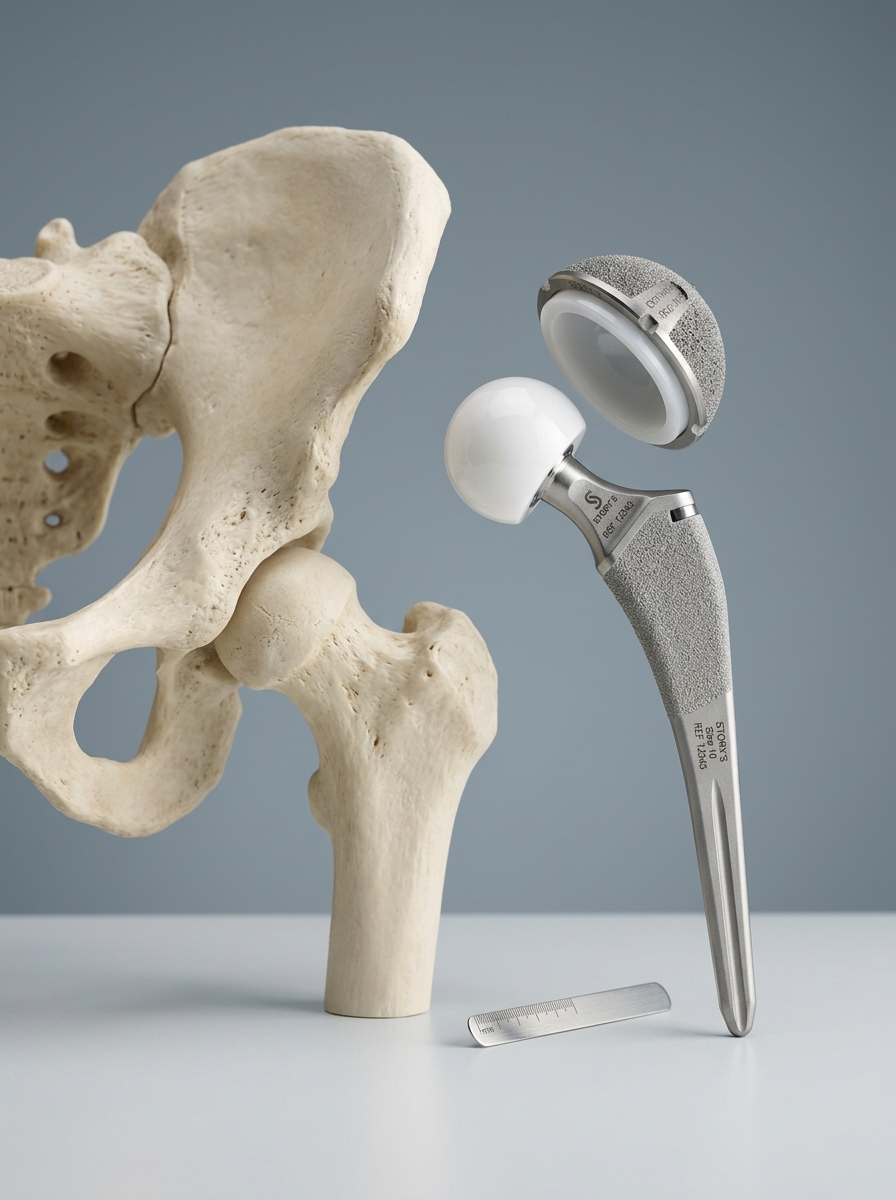
Do You Really Need Hip Surgery?
Dr. Vinod explains why joint pain alone does not automatically mean surgery is indicated, and when conservative therapy works first.
Watch Masterclass Reel ↗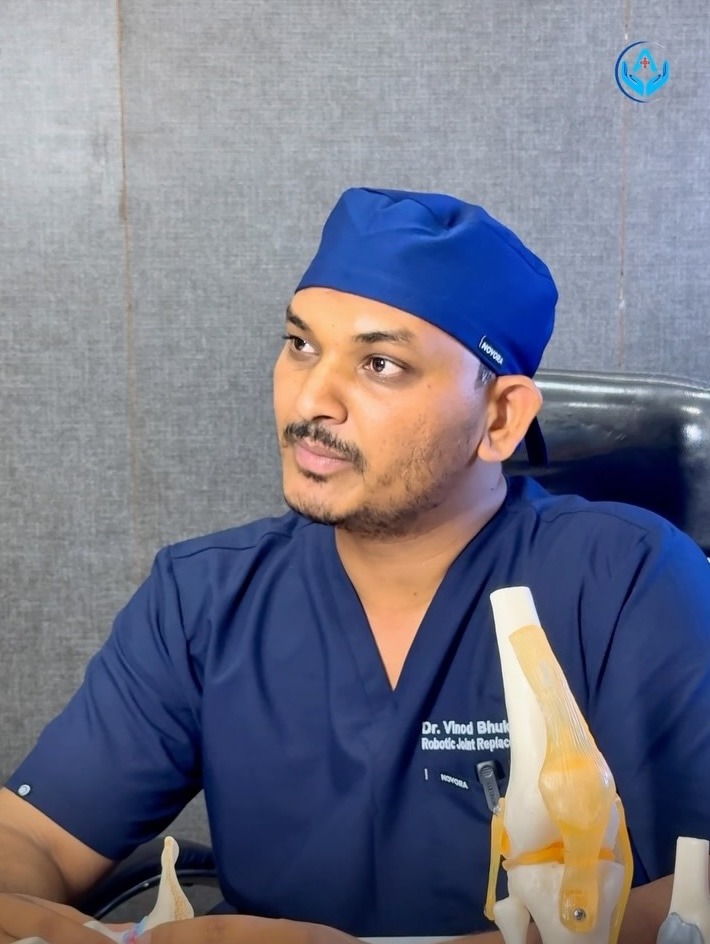 PAIN MANAGEMENT
Is Total Hip Replacement Painful?
Demystifying joint replacement fear. Learn how modern multi-modal local infiltration blocks provide near pain-free same-day recovery.
Watch Clinical Breakdown ↗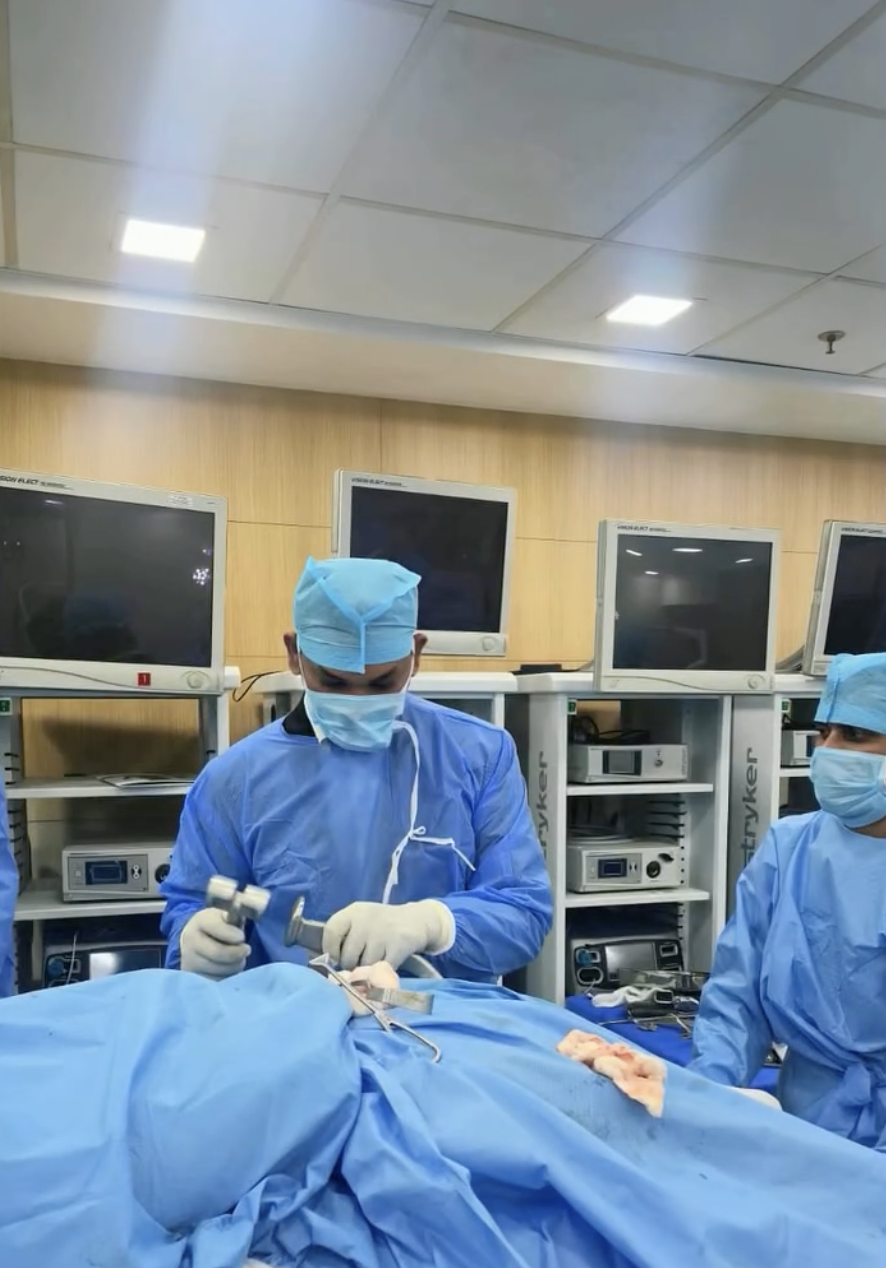 LIVE SURGICAL DEMO
DAA Hip: Live Surgical Demonstration
Direct Anterior Approach in the sterile OT showing natural internervous muscle intervals navigated without cutting gluteal tendons.
Watch Live OT Video ↗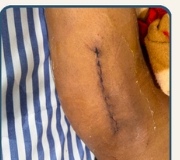 AESTHETIC HEALING
The Stitchless Cosmetic Scar
See real patient hairline scar healing with zero external stitches or metal staples to remove, sealed with waterproof mesh.
Watch Cosmetic Healing Reel ↗CLINICAL SELF-ASSESSMENT
Joint Mobility Self-Assessment
Answer 4 simple clinical questions to reflect on how joint symptoms are affecting daily function. It is an educational self-check, not a diagnosis.
Loading question...
HOSPITAL READINESS
Preparing for your hospital stay
Smooth recovery begins with good preparation. Here is what to anticipate before and during your stay at Advance Medicity Superspeciality Hospital.
1. Pre-Op Investigations
Routine blood work, complete blood count, blood sugar (HbA1c), coagulation profile, chest X-ray, and 2D Echocardiogram for cardiac clearance are completed 3–5 days prior to admission.
2. Day of Admission
Patients are admitted on the morning of surgery (or evening prior) fasting for 6–8 hours. Bring current medication lists, valid photo ID (Aadhar / PAN), and insurance mediclaim cards.
3. Post-Op Hospital Routine
First assisted steps with our physiotherapist take place on the evening of surgery. You will be discharged on Day 2 or 3 once you can walk comfortably and climb stairs safely.
FINANCIAL TRANSPARENCY
Cashless Mediclaim &
Insurance Assistance
Joint replacement surgery is fully recognized and covered under medical health insurance policies. Advance Medicity Superspeciality Hospital features a dedicated 24x7 TPA Insurance Helpdesk.
- All Major Insurance Partners: Star Health, HDFC ERGO, ICICI Lombard, Care Health, Bajaj Allianz, New India Assurance, United India, and National Insurance.
- Corporate & PSU Panels: Pre-authorized cashless processing with leading corporate health programs and Third Party Administrators (TPAs) including Medi Assist, MD India, Paramount, and Vidal.
- Transparent Cost Estimations: Detailed cost estimation letters provided in advance for smooth TPA pre-authorization approval.
Documents for Cashless Approval:
- Health insurance policy copy / E-card
- Patient Photo ID Proof (Aadhaar Card / PAN Card)
- Consultation letter & surgical estimation from Dr. Vinod Bhuktar
- Recent digital X-rays and investigation reports
FREQUENTLY ASKED QUESTIONS
Clear answers to common concerns
Dr. Bhuktar answers questions most frequently asked by patients and their families.